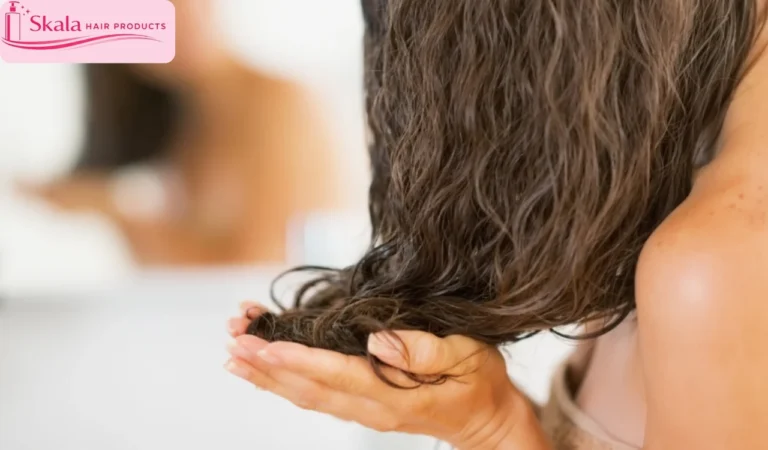
Sustainable Hair Care Practices: Tips for Healthy Hair
Learn sustainable hair care practices for healthy, strong hair. Discover eco-friendly products, DIY treatments, and water-saving tips to maintain vibrant hair naturally.
Sustainable Hair Care Practices is concerned with ensuring the health of hair and lessening the environmental effects. It focuses on the use of natural products, resources conservation, and the absence of toxic chemicals. Ethical practices work not only to strengthen and make hair shiny but also help make the world greener. Even minor, daily shifts in routines will be a major change in the long run in terms of hair health and environmental sustainability.
When using hair care products in a sustainable manner, it promotes conscientious decisions and habits. It contributes to waste reduction, decreased exposure to chemicals, and favorable brands. Through these practices and learning how to apply them, people are able to have stronger, soft and vibrant hair without damaging the environment. Green hair care is an individual and environmental investment.
Using Eco-Friendly Shampoos and Conditioners
Eco-friendly conditioners and shampoos are produced using natural ingredients and contain no harsh chemicals such as sulfates or parabens. They assist in cleaning as well as feeding hair without the scalp or the hair being damaged in the long term. Packaging: The packaging is recyclable and, in many cases, biodegradable; this will help lower the amount of waste discharged into the environment without concern of derailing hair care routines.
Regular use of these products enhances a more healthy growth of hair, decreased scalp irritation and a natural shine. Making environmentally friendly choices is also likely to promote sustainability. In the long term, the transition to natural hair care products makes hair of superior quality, less harmful to the environment, and an environmentally friendly, safe, and gentle product that may be used by all hair types.
Reducing Heat Styling and Chemical Treatments
Regular exposure to heat-stylizing appliances like straighteners, curling iron or blow dryers has the potential of ruining hair by dehydrating it and making the hair weak. The structure of hair is also compromised by chemical processes such as coloring, perming or relaxing. Lessening them will save the health of the hair, prevent any breakage, and preserve the natural shine and texture of the hair with time.
Reducing the exposure to heat and chemicals promotes tougher and healthier hair and sustainable hair care. Other options like air-drying, braiding or drying natural dyes do not damage hair but do not compromise the style. They are eco-friendly and save on energy and chemicals, which not only works on the quality of hair but also the environment.
Water Conservation During Hair Care
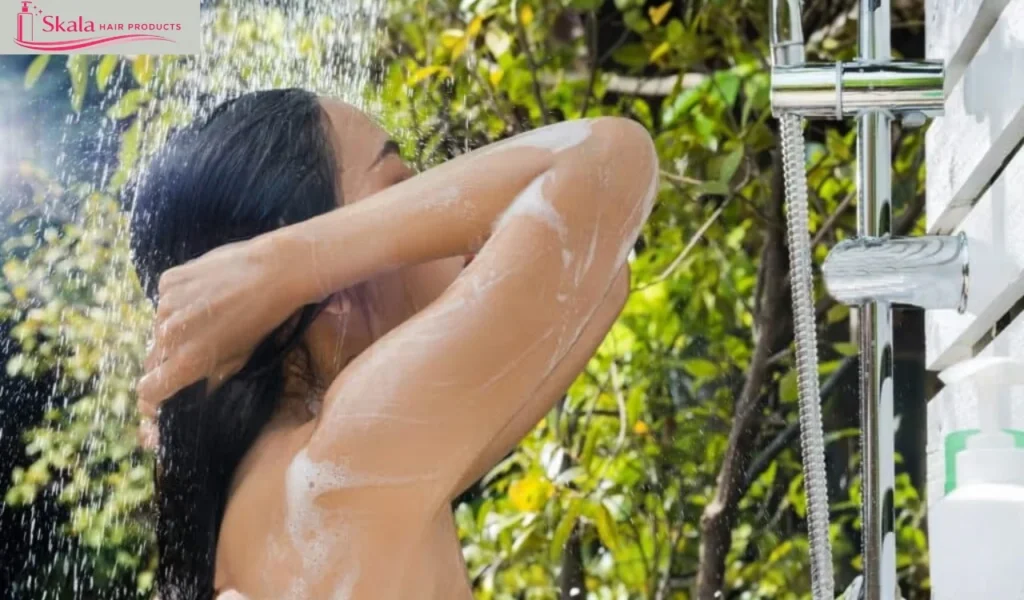
One of the sustainable activities is saving water when doing hair care. Such simple actions as turning off taps during shampooing, using low-flow showerheads, or spending less time in the shower may save the amount of wasted water. Responsible water usage is good to the environment and encourages conscious everyday lifestyle habits that may turn into permanent habits.
Effective use of water also avoids over-washing that may leave natural oils out of the scalp and hair. Efficient rinsing is a means of cleaning and minimizing the use of resources. These water-saving measures will allow people to have healthy and hydrated hair and help to sustain the environment and minimize the needless resources wasted over time.
Natural and DIY Hair Treatments
Chemical-free hair treatments are found in natural and home made hair treatments which use ingredients like oils, herbs and masks to nourish the hair. These ways are soft, affordable, and they are environmentally-friendly and they aid in keeping the hair healthy and strong. The frequent use enhances the hair texture, shine, and controllability, as well as avoids the destruction of stiff synthetic substances that many commercial products introduce.
Home remedies also promote relatively conscious hair care practices and environmentally friendly habits. Fresh and natural ingredients will reduce the volumes of packaging waste, minimize exposure to chemicals, and offer efficient outcomes. Regular use makes hair stronger, softer and healthier, which would grow in the long run. These green activities are helpful to hair and to the planet.
Choosing Sustainable Hair Accessories
Biodegradable, recyclable, or responsibly sourced materials can be used as sustainable hair accessories e.g., bamboo, wood, or recycled plastics. Sustainable brushes, combs, clips and hair ties are currently being developed to lower the environmental impact but still need to be strong and reliable to be used daily. The selection of these products helps in the ethical production and the alternatives that are environmentally friendly.
Using natural accessories regularly is also good in maintaining hair by breaking, creating a lot of statically, and tangling hair. They ensure a healthier and smoother strand and reduce the damage that plastic and low quality materials may do. In the long term, the use of green accessories helps to keep hair stronger and easier to handle and to make personal beauty habits compatible with the environmentally conscious ones.
Regular Trims and Minimal Waste Practices
Trimming regularly gets rid of split ends, promotes healthy hair growth and helps maintain the shape, texture and general look. Reduction of environmental impact can be achieved through minimization of product waste by measuring the usage, reuse of containers and the use of multifunctional products. These bare basics are guaranteed to keep hair healthy, silky, and shiny and sustain an environmentally friendly lifestyle and mindful consumption habits at all times.
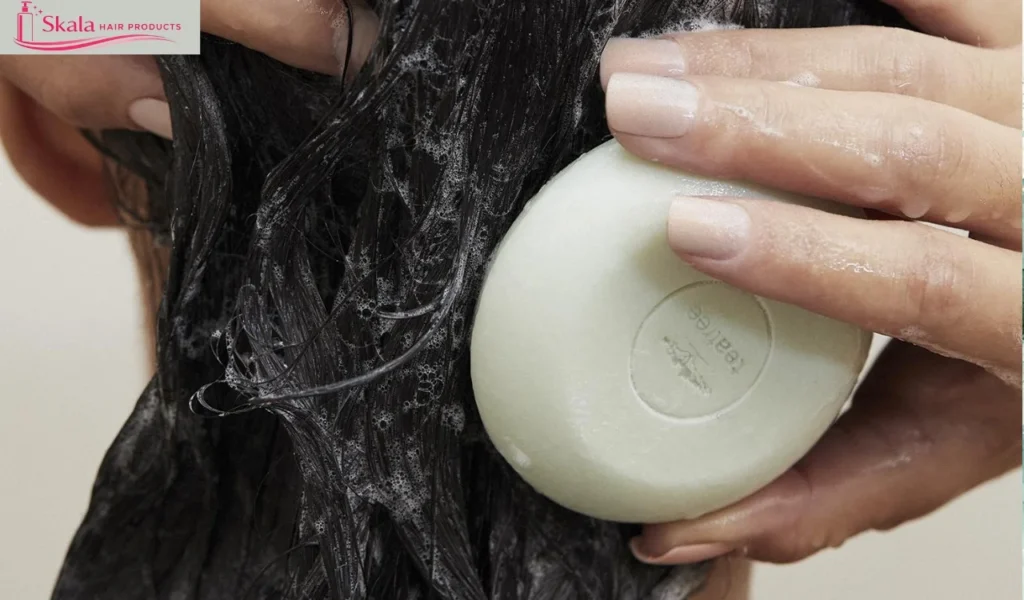
Other minimal waste habits are recycling, using tools that are not disposable, and focusing on green solutions. The habits conserve resources, minimize the impact of chemicals, and make a difference to the environment. They can be used together with frequent trims to ensure that a person has healthy, easily manageable and strong hair and can encourage a sustainable attitude towards everyday hair care rituals.
Protecting Hair from Environmental Damage
Sunlight, pollution, wind and other elements in the environment may make hair weak, dry up moisture content and make hair dull and lifeless. Hairs can be safeguarded by wearing scarves or hats or using UV-resistant sprays without any damage or harm to the hair. Green practices promote natural remedies, which do not use chemical rich protective products that may destroy both the hair and the environment.
Regular use of it enhances hair strength, decreases hair breakage, and maintains the natural levels of hair moisture. Applying greener oils or leave-in conditioners helps the hair to be resilient to external stress. Sustainable protective behaviors provide lasting benefits to the hair, so that in the long run, it is healthy, shiny and can be easily managed even in the face of frequent exposure to sunlight, pollution, or other environmental issues. For complete information, read our review on the 10 highly rated Skala hair products.
FAQs About Sustainable Hair Care Practices
Conclusion
Sustainable hair care is a mixture of good hair care and good environmental practice and applies natural products, eco-friendly practices, and water conservation. The practices enhance strength to the hair, make it shine and reduce the number of chemicals exposed to it, hence making the hair healthier and stronger and acts as an environmental way of living.
The use of sustainable practices such as homemade treatments, proper use of products, and care practices will make sure that the hair is soft, strong, and lively. A sustainable approach to hair care combines personal care with environmentally friendly choices, which promotes hair health and the environment and creates a long-term, responsible, and balanced approach to sustainability.