Protein vs Moisture Hair Care: Complete Beginner’s Guide
Learn protein vs moisture hair care tips for healthy, strong, and shiny hair. Discover signs, treatments, and product advice for balanced hair naturally.
Healthy hair requires two important components; protein and moisture. Protein helps in strengthening hair strands and has elasticity and moisture helps in keeping hair hydrated, soft and easy to manage. They are both significant as damage prevention agents and as natural shine maintenance agents. Novices find it very difficult to grasp the balance, but the knowledge of its difference would help in establishing a simple hair care regimen that would facilitate growth, decrease breakage, and ensure the overall health of the hair in a very natural manner.
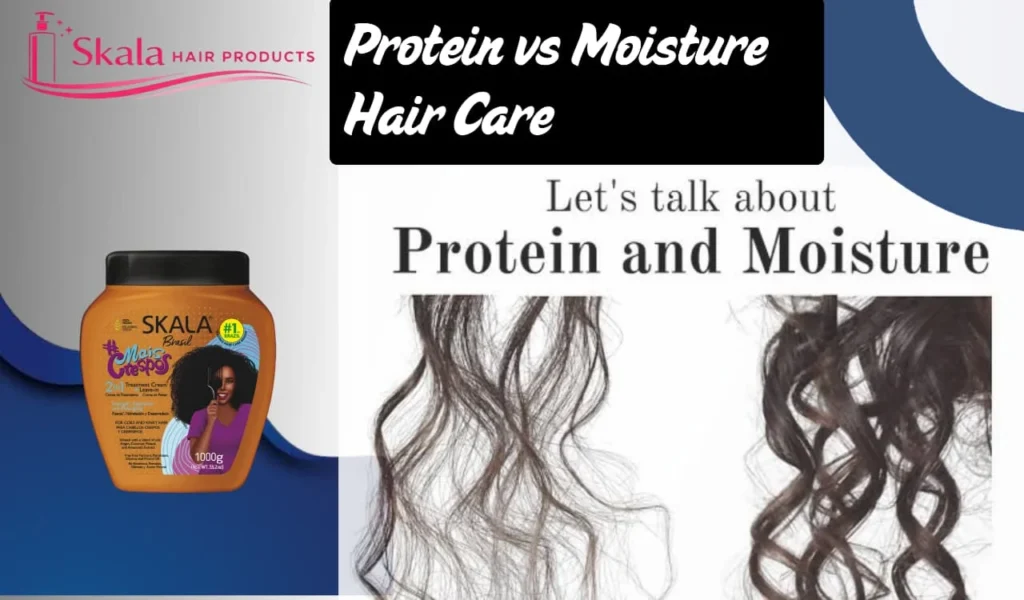
It is imperative to have knowledge on the fundamentals of protein and moisture to have good hair care. Protein regulates the hair structure, and repairs it, but moisturizes the strands to keep them smooth and easily bendable. Coin the two on a regular basis helps the hair to be resistant to styling damage and the effects of the environment. This information can be applied by beginners to avoid imbalance and have stronger, shinier and healthier hair both in the long run.
What Causes Protein and Moisture Imbalance
Unequilibrium in hair mostly happens as a result of frequent hair styling, colouring and chemical treatments. The practices undermine hair strands, deprive natural moisture, and interfere with the protein levels. Unhealthy daily routines such as over-washing, rough brushing and pollution or sun exposure are also contributing factors. Novices can observe bored hair, splitting hair or frizz that are indicators of imbalance. To fix this, one should know the cause of the further destruction and recover the hair health.
Protein and moisture imbalance may be aggravated by environmental factors and abuse of products. Harsh shampoos or heavy make-ups can be used to load hair or remove hydration. Hair becomes elasticity deficient and breaks easily unless well taken care of. Novices would need to note the state of their hair, steer clear of harmful habits and apply appropriate protein or moisture remedies in order to sustain a wholesome, well-balanced scalp and hair in the long run.
Role of Protein in Hair Health
The hair depends on protein to be strong and resilient. It also refills weak gaps in broken strands avoiding split ends and breakage. Constant protein treatments enhance the hair stretchiness enabling the hair to resist hairstyling and climate pressures. Novices will find that hair will become stronger and easier to handle and less hair will fall every day and the overall feel and consistency of the hair becomes good naturally without all of the harsh chemicals and frequent visits to the salon.

The hair shaft is reinforced internally by keratin, collagen and other sources of proteins. Protein keeps the hair structure and heals the hair previously damaged by the heat or chemicals. Novices can strengthen hair strength and make it more flexible by adding protein-enriched shampoos, conditioners or treatments. It is a method that makes sure that the hair is stronger and healthier and less likely to break as well as retaining its natural shine and smoothness.
Role of Moisture in Hair Health
The moisture is needed to maintain the hair hydrated, soft, and frizz free. It helps to balance natural oils in the head and keep hair supple thus avoiding drying and breaking. Wet hair is less difficult to style and has a smoother, more shiny look and a healthier appearance. Novices that are interested in hydration will observe that hair texture, manageability and general appearance improves visibly without complex routines.
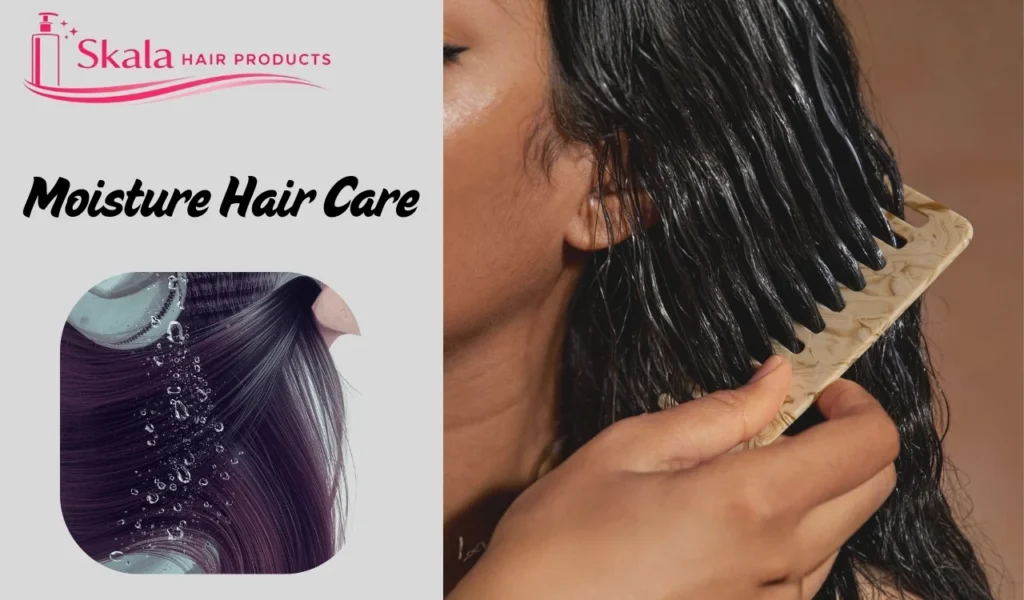
Dampness also contributes with regard to frizz and split ends. Correct hydration ensures that the strands are soft and pliable such that hair is not easily tangled or rough. Conditioners, leave-in treatments or natural oils are useful in preserving the balance of moisture. Novices should also nourish hair on a regular basis to supplement protein treatments in order to maintain a healthy balance that allows the hair to grow, shine, and be strong in a natural manner.
Signs Your Hair Needs Protein
Weak, limp and easily broken hair may require protein. Protein makes the hair stronger and makes it more elastic. Novices can tell that there is protein deficiency by the excessive breakage, frizz, or thin strands. Protein based treatment improves the repair of the hair shaft and promotes growth. A regular use of protein can repair the structure of the hair and avoid even more damage to it caused by hairdressing or exposure to environmental factors.
Other symptoms are split hair, which has neither bounce nor body. The hair can be soft yet weak, that is, it breaks during the brushing or combing process. Protein voltages restore broken strands as well as strengthen the inner structure of hair. When new users are using it, they should use mild protein shampoos or masks, so that the hair can strengthen without making it hard or over-saturating the hair, so that in the end healthy and strong hair will be achieved.
Signs Your Hair Needs Moisture
The characteristics of dry skin, frizzing and roughness are the main indicators that hair is not moist. Hair can be brittle, messy or lifeless. Amateurs can overcome this by applying rejuvenating conditioners, leave in, or natural oils to rejuvenate the softness. The frequent moisturizing of the skin enhances ease and minimizes fracturing. To ensure that hair is smooth, shiny and resilient to stressors in the environment, maintaining hydration is very important.
Scalp may be dry, itchy, or flaky, which are also indications that the scalp needs to be moistened. Wet hair takes up styling gels more effectively and it has natural flexibility. Novices can add in the weekly deep conditioning or hydrating masks to restore the depleted content of water. This makes the hair supple, soft and frizz-free. Protein treatments are best combined with regular maintenance of moisture and the hair is given balanced health in the long run.
How to Balance Protein and Moisture
Protein and moisture should be balanced to have healthy hair. Excessive protein content will result in stiff and brittle hair whereas excessive amounts of moisture will result in limp and weak hair. Novices are expected to note the state of hair and switch between treatments depending on the requirements. Protein and moisture product used together in a routine can help keep the hair elastic, strong, and soft and avoid damage caused by styling or environmental stress. Discover the most popular Skala hair products in our top 10 roundup.
The feasible solution is to implement protein treatments once or twice per week, and moisture treatments on the other days. Novices will be able to use frequency depending on the reaction of their hair. Incorporating shampoos that are rich in proteins with conditioners that are very hydrating implies balanced care. Frequent observation and frequent manipulation of the hair makes it strong, shiny, and healthy without the need to add protein or any other supplements to attain an optimal protein to moisture ratio.
Choosing the Right Hair Care Products
The choice of products will be determined by the type of hair and its current state. Protein-based products restore broken strands, and those that are moisture-based moisturize and make them soft. The instructions given on labels must be read by beginners carefully and the formula must be appropriate to the needs. The proper mix enhances the strength, shininess and frizziness of the hair. The use of mild products helps the hair to adapt without getting overworked or becoming dry.
Effective results are an essential feature of the high-quality of natural ingredients. There are shampoos, conditioners, masks and leave-ins which are protein or moisture balance treatments to help the hair to be healthier. Novices ought not to use harsh chemicals or too much of the styling products. Having the right choice of hair care products and meeting the routine, hair can become as strong, hydrated, and natural as possible in the long-term perspective.
FAQs
Conclusion
Protein and moisture are the key to healthy, strong and manageable hair. Protein makes the strands stronger and does not allow them to break, whereas moisture keeps the hair hydrated, soft, and free of frizzes. Novices can attain the best hair health in the state of noticing deficiencies and engaging the proper remedies to the routine. Regular treatment enhances shininess, elasticity and the look of the hair in general.
The choice of good products and appropriate hair care regime guarantees the long-term outcomes. Protein and moisture treatment alternation will also be used as a measure to assure a healthy growth by avoiding stiffness and limpness. Novices who observe such suggestions will have healthier, finer and glossier hair. Knowing how much protein and moisture are in the hair can enable users to have strong, beautiful hair on a daily basis.