Why Hair Feels Rough After Shampoo: Causes & Solutions
Discover why hair feels rough after shampoo, including harsh shampoos, hard water, and chemical buildup. Learn tips to restore soft, smooth, and manageable
The shampoo leaves lots of people with coarse, dry, or straw-like hair. Such a transition in the texture may be annoying, particularly in cases where hair appears tidy but it does not feel soft. This issue is caused by a number of internal and external factors, including the quality of water and the ingredients of shampoo. It is valuable to know why hair would be rough so that hair care habits could be modified to achieve smoothness and manageability in hair with time.

The way hair is washed is determined by the scalp, the type of hair and the products used. Other shampoos remove natural oils and some have their residues that interfere with softness. Environmental conditions such as hard water, pollution and exposure to sunlight also contributed. To make sure that effective hair management can be maintained to achieve healthy, smooth, and soft hair, it is important to ensure that the particular cause has been identified so that correct hair care can be implemented at all times.
Using Harsh Shampoos
Hair may have excessively stripped off natural oil due to the use of strong detergents or sulfates in the shampoos used. They are good cleaners, but tend to leave the hair wet and dry, split, and uncomfortable to touch. Hair cuticles are destroyed with time as a result of constant use of harsh shampoos which result in frizz and split ends. The hair loses its natural smoothness, and it does not even seem to be alive after having been washed properly.
The non-sulfate and gentle shampoos are the most appropriate in preserving hair health. These products wash hair without depriving the hair of the essential oils, maintaining the softness and shine. Frequent usage of shampoos of mild type helps to sustain healthy scalp functioning and minimize roughness. A change of hair formula to less harsh ones can slowly regain the texture of the hair that becomes sleek and easy to manage and which, as a result of each wash, appears to be firmly colored.
Overwashing Hair
Excessive washing of hair may strip it off its protective oils and make it dry and coarse. Washing every day or over washing alters the natural balance of the scalp, makes the strands weak, and frizzy. Even clean hair can become rough and uncontrollable because when over-cleansed, it loses the moisture that holds its hair soft and flexible, which becomes more easily broken with time. Before buying, check our list of the 10 Best Skala Hair Product.
A balance between washing frequency is important to have healthy hair. There are numerous types of hair that can be washed five or six times a week. When the wash is separated, natural oils may be retained by the use of soft cleansers or water only-rinses. Washing routines, which are balanced, maintain hair to be hydrated, smooth and soft and mitigate roughness and improve the texture of the hair overall after shampooing.
Hard Water Effects
Hard water is water that has a high content of mineral salts such as calcium and magnesium. Hard water lifts the cuticles of the hair and results in hair being dry, rough and tangled. Even when hair is shampooed, it still has mineral deposits on the strands and thus lacks shine and softness. When subjected to continuous exposure, hair texture becomes bad and it becomes hard to style.
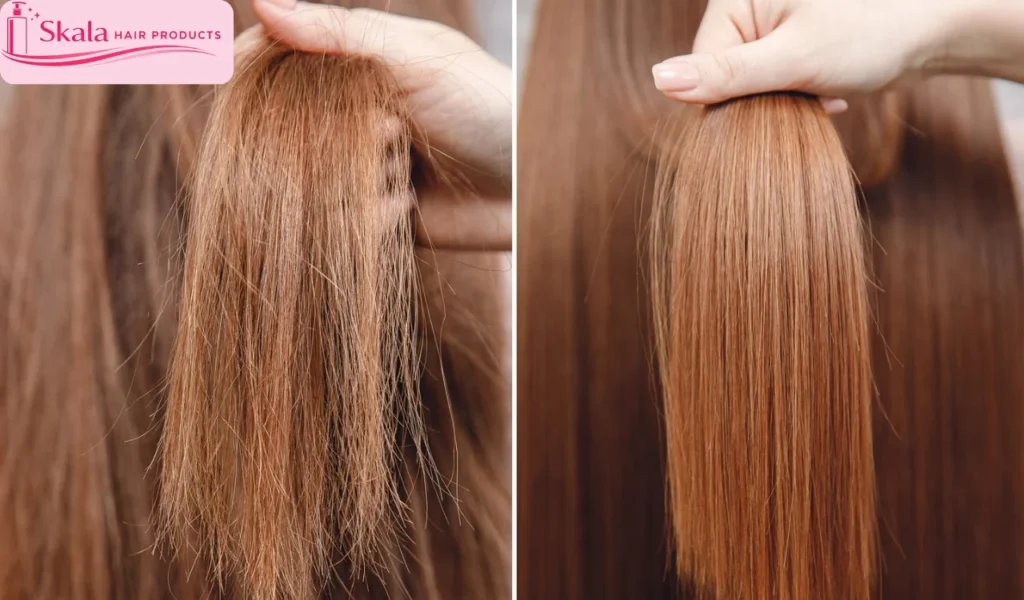
The buildup of minerals can be minimized by installing water softeners or by using chelating shampoos. Hard water causes drying processes which can be countered by proper rinsing and hydrating treatments. It is also important to take care of hair in hard water areas by taking consistent care of it, keeping it smooth, shiny and easy to handle even during the harsh water environment that makes the hair rough in most cases.
Lack of Proper Conditioning
Omitting conditioner or applying it in a wrong manner may result in rough hair post shampoo. The conditioner assists in restoring the moisture and flattening the hair cuticles. In its absence, strands become rough and tangled and do not have softness and shine. Even when clean, hair can seem frizzy and uncontrollable since only natural oils cannot keep it smooth. Training is necessary to keep hair healthy and preventive.
Conditioners can be applied after each use to replace the lost moisture, friction, and to avoid breaking. Hair is strengthened at the root to tip using leaves in conditioners or hair masks. Hair is soft, shiny and smooth by consistent conditioning. It even prevents the destruction of the environment and guarantees that hair is naturally manageable after each shampoo.
Chemical Residues in Hair
Even after washing, hair that has come in contact with styling products or dyes or treatments still may have remnants of the chemical. The residues cover the strands, rendering them inflexible, coarse, and combustible. The hair also dries and gets brittle losing its natural shine. The elimination of chemical accumulation is the main factor in regaining softness and smooth texture.
Explaining shampoos or deep cleansing treatments assist in getting the residues left behind out of the hair safely. It is best to match them with conditioners that can hydrate hair. Roughness is also avoided by means of limiting frequent chemical treatments. Regular treatment will recover the natural shine, manageability, and softness of the hair and ensure that they are not hardened by remnants of certain chemicals.
Environmental Damage and Pollution
After shampooing, hair may become wild and dry due to pollution, UV rays and dust. Particles are deposited on strands, denuding natural oils, and destroying cuticles. Hair becomes dry and split with time and looks unkempt. It is the environment that plays a large role towards rough hair texture even in case of proper washing.
Hats, protective sprays and gentle cleansing help in reducing the effects of pollution or sunlight on hair. Softness is also maintained by regular hydration and conditioning. Environmentally sensitive perception and correct maintenance practices guarantee that hair remains smooth, shiny and manageable even when it is exposed to harmful conditions on a daily basis. Unsure which Skala variant suits you? Start with our top 10.
Hair Porosity and Damage
The porosity of hair influences the way hair takes in and holds moisture. Hair that is of high porosity retains water rapidly and expels it as rapidly as possible, resulting in hair that is dry and coarse following a shampoo. This effect is aggravated by broken cuticles of the hair due to heat, chemicals or friction that result in hair being frizzy and rough even after washing.
Moisturizing treatments, oils and the products that contain a lot of protein contribute towards enhancing the texture of hair and controlling the problem of porosity. Washing and styling should be done gently, and so on. Combating porosity and restoring the strength of the hair structure makes the strands sleepy, shiny and soft, making hair touchably healthy and easy to manage after each shampoo.
FAQs About Why Hair Feels Rough After Shampoo
Conclusion
Rough post-shampoo hair is a common outcome of a variety of forces such as rough products, environmental influences, hard water, and internal hair conditions. These reasons can be used to make appropriate changes to hair care habits. Applying soft shampoos, conditioners, and protective agents replenish moisture, siliciness, and shine and make skin less rough in the long run.
Fundamental and routine hair care activities keep hair moist, control porosity, and shield hair against destruction. With conscious washing and regular deep treatments, these measures will make the hair soft, manageable, and healthy each time after shampoo. These tips will give the long-term wearability of hair, shine, and naturalness.